
Anxiety and worry
When ongoing worry, tension or fear is affecting your sleep, concentration or everyday life.
Persian-speaking support · Life outside Iran
With a therapist who understands the lived experience of migration.
Anxiety, depression, relationship difficulties and the challenges of migration—using cognitive behavioural therapy (CBT) and schema therapy.
16+ years of experience · Cognitive behavioural therapy (CBT) and schema therapy
Licensed by the Psychology and Counselling Organization of Iran, registration no. 7011.
Only for Iranians currently living outside Iran. All therapy sessions are held in Persian.
If one of the following experiences has persisted or is affecting your quality of life, speaking with a psychologist can be a useful starting point.
When ongoing worry, tension or fear is affecting your sleep, concentration or everyday life.
When conflict, emotional distance or difficulty setting boundaries is making your relationships exhausting.
When unwanted thoughts, rumination or repetitive behaviours are disturbing your peace of mind.
When loneliness, the pressure of adapting, or a sense of not belonging is making life after migration difficult.
When distractibility, procrastination or difficulty organising things is affecting your work and daily life.
When sadness, low motivation or emotional exhaustion has continued for weeks.
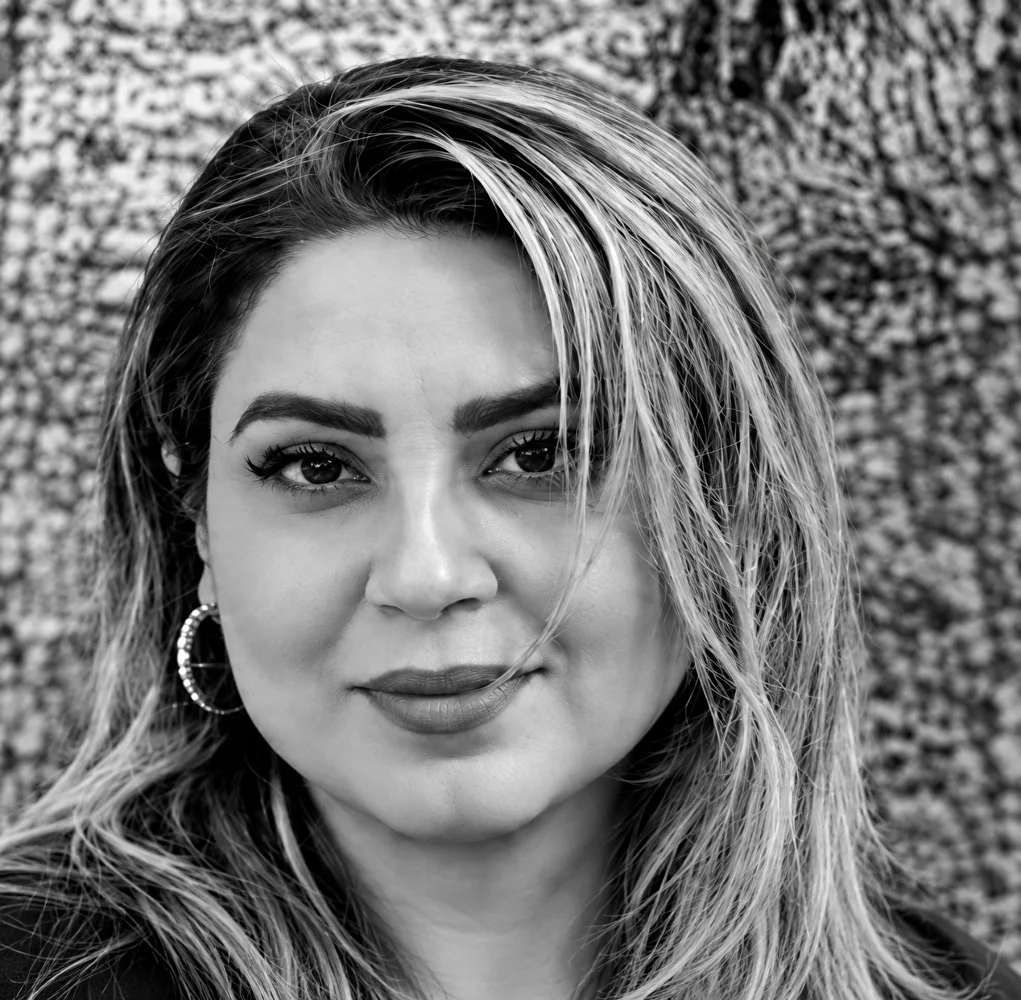
Mansoureh Bahrami
You may know what is troubling you, yet find it hard to change. You may have decided many times to spend less time caught in repetitive thoughts, set a boundary, or respond differently when angry, only to find the familiar pattern returning in the moment.
Together, we explore how the pattern develops, when it is activated and what keeps it going. Drawing on cognitive behavioural therapy and schema therapy, we look at connections between thoughts, feelings and behaviour and practise different responses suited to your circumstances.
We also consider the context of your life: relationships, earlier experiences, work pressures, migration and family expectations. We agree on goals together and regularly review how helpful our work is.
Life abroad can bring certain questions into focus: What do I want for myself? When do I stay silent because I am afraid of upsetting someone? How can I protect my relationships while making room for my own needs?
You may feel pulled between personal wishes, family expectations and the values of a new environment. We take time to understand this context and practise skills such as expressing needs assertively, setting boundaries, managing anger and responding to guilt.
Our sessions make room both for understanding your experience and for practising change. I listen carefully, ask questions and share my understanding so that you can confirm or correct it.
We work at a pace you can manage. We discuss goals, exercises and difficulties along the way, adjusting our steps to your circumstances and readiness.
You can also talk about the sessions themselves: what has helped, when you have felt misunderstood, or which exercise did not fit your life. This feedback is part of our work together.
In the first session, we discuss what brought you to therapy, your circumstances and your hopes for our work. During the early sessions, we build a fuller understanding and agree on a suitable direction.
We choose practical exercises suited to your needs: expressing a wish without repeatedly apologising, saying no, responding differently when angry, or changing how you respond to repetitive thoughts. We discuss your experience of trying these in later sessions.
We consider what has changed, what remains difficult and whether our goals or methods need adjusting. The number and spacing of sessions are reviewed in light of your needs and progress.
As therapy approaches its end, we focus on maintaining skills, recognising signs that difficulties may be returning and planning for future challenges. Follow-up sessions can be discussed if needed.
Three simple steps to your first session.
Ask a question or request a session. Please mention your country of residence outside Iran.
We agree on a suitable time, and payment details are sent to you.
Your 45-minute session takes place in Persian in Google Meet.
Sessions are held in Persian and are available only to Iranians living outside Iran.
First, send a WhatsApp message so that we can agree on a time that works for your time zone. After the time is agreed, payment information will be sent to you. Send the payment receipt on WhatsApp to confirm your booking and receive the meeting link. Please do not pay before a session time has been arranged.
The fee is €35 per session. Payment can be arranged by bank transfer (Wise / IBAN) or PayPal, as described on the Persian website. If you pay in a currency other than euros, your bank or payment provider’s conversion rate and fees apply. Check the amount before confirming payment.
The number of sessions depends on your concerns, goals, life circumstances and progress. After getting to know your situation in the early sessions, we discuss an initial estimate and how often to meet, and review this as we go. Booking a first session does not commit you to continuing therapy.
Therapy is paid from the first session. Before booking, you can ask about availability, how sessions work and the arrangements for getting started.
In the first session, we talk about what led you to consider therapy, your current situation and what you hope to gain. We explore which therapeutic direction may be most suitable for you.
No. You do not need to know the exact name of your difficulty in advance. You can begin by describing what you are experiencing.
These online sessions in Persian are offered only to Iranians living outside Iran. Please mention your country of residence when you contact me so we can discuss arrangements and whether the sessions are suitable for you.
Yes. Session content is treated as confidential, and professional standards relating to privacy are followed.
If you live outside Iran and would like to ask whether sessions are suitable for your situation, or arrange a first appointment, send a WhatsApp message.
Please mention your country of residence. Sessions are held in Persian.